
High-Protein Cottage Cheese Garlic Knots
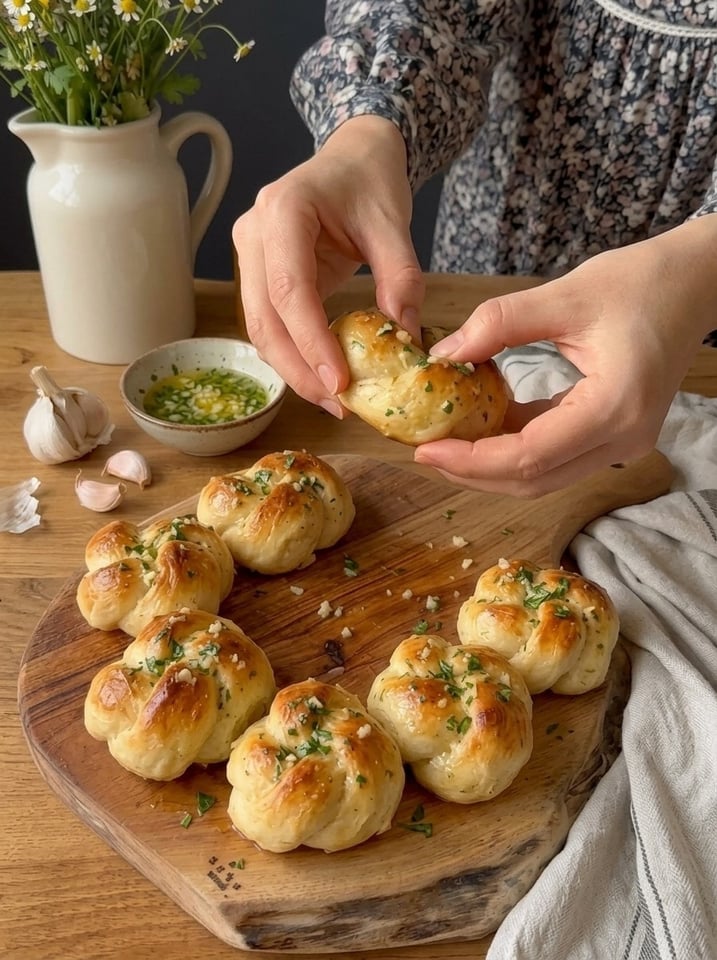
High-Protein Cottage Cheese Garlic Knots: Soft, Fluffy, Cheesy, and Packed with Garlic Flavor
High-Protein Cottage Cheese Garlic Knots – Easy 2-Ingredient Dough, Ready in 40 Minutes
Meta description: Make soft, fluffy high-protein garlic knots with cottage cheese and self-rising flour. No yeast, no waiting, brushed with garlic butter and parsley. Ready in 40 minutes, makes 8 knots.
Focus keywords: cottage cheese garlic knots, high protein garlic knots, 2 ingredient dough garlic knots, no yeast garlic knots, cottage cheese bread, healthy garlic knots recipe
These High-Protein Cottage Cheese Garlic Knots are soft, fluffy, cheesy, and packed with delicious garlic flavor! Made with protein-rich cottage cheese and simple ingredients, these homemade knots are brushed with buttery garlic and fresh parsley for an irresistible finish. They are perfect as a side for pasta, soups, or your favorite family dinner.
If you have ever wished you could enjoy warm, garlicky bread without waiting hours for dough to rise, this recipe is for you. There is no yeast, no proofing, and no long kneading session. The base of the dough is just two main ingredients: cottage cheese and self-rising flour. Mix them together, shape the dough into simple knots, bake, and brush with garlic butter. In about 40 minutes, you have a tray of golden, tender knots that taste like they came from a favorite Italian restaurant, with a noticeable boost of protein in every bite.
In this guide, you will find the complete recipe, a clear step-by-step walkthrough, an explanation of why the dough works, tips for the best texture, common mistakes to avoid, flavor variations, serving ideas, storage and reheating instructions, and answers to frequently asked questions.
Recipe Overview
- Prep time: 15 minutes
- Cook time: 18 to 22 minutes
- Total time: 40 minutes
- Servings: 8 garlic knots
- Difficulty: Easy, beginner friendly
- Special features: High in protein, no yeast, no rising time
Why You Will Love These Garlic Knots
There are plenty of garlic knot recipes out there, but these stand out for several reasons.
- Only a few ingredients. The dough needs just cottage cheese, self-rising flour, and an optional pinch of Italian seasoning. The garlic butter uses pantry basics.
- No yeast and no rising. Because self-rising flour already contains leavening, the knots puff up in the oven without any waiting around.
- High in protein. Cottage cheese is rich in protein, so these knots are more filling than traditional bread knots made with white flour and water alone.
- Soft and fluffy inside. The moisture from the cottage cheese keeps the crumb tender and slightly tangy, similar to a soft biscuit or a fluffy dinner roll.
- Big garlic flavor. Fresh minced garlic, melted butter, and parsley are brushed over the warm knots, soaking into every nook and fold.
- Ready in 40 minutes. From the moment you preheat the oven to the moment you sit down at the table, dinner bread is on the way in under an hour.
- Great for meal prep and snacks. They reheat well, so you can bake a batch and enjoy them throughout the week.
- Family friendly. Kids love tying the knots, and adults love the garlicky flavor.
Ingredients
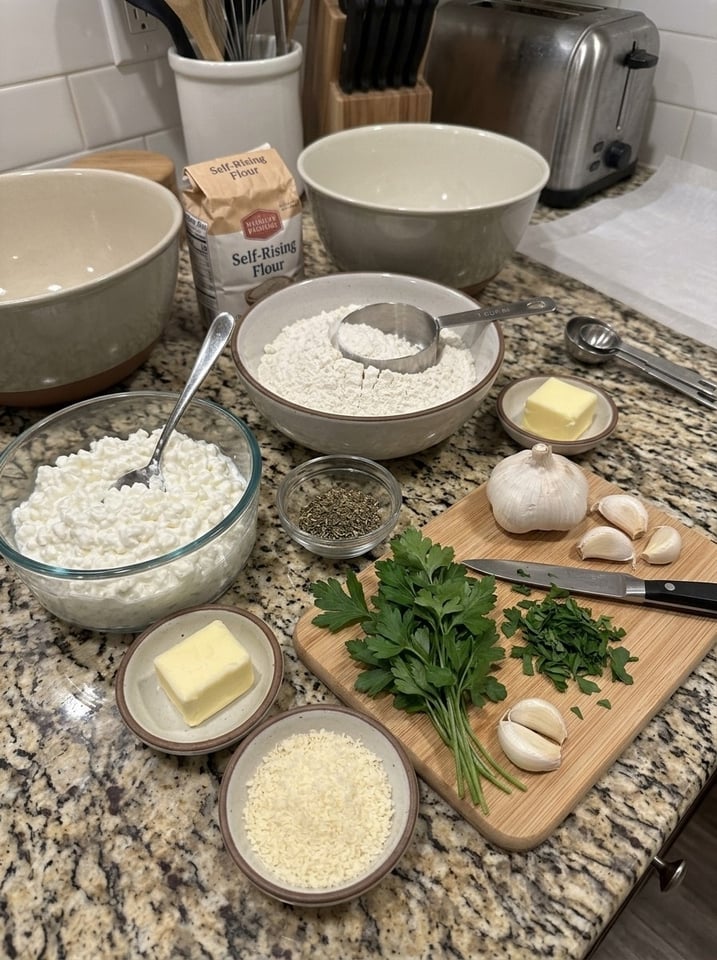
For the Garlic Knots
- 1 cup (225 g) cottage cheese
- 1½ cups (180 g) self-rising flour
- 1 teaspoon Italian seasoning (optional)
For the Garlic Butter
- 2 tablespoons melted butter
- 2 to 3 garlic cloves, minced
- 1 tablespoon chopped fresh parsley
- 2 tablespoons grated Parmesan cheese (optional)
A Closer Look at the Ingredients
Cottage cheese. This is the secret to the recipe. Cottage cheese adds protein, moisture, and a gentle tang to the dough. It also replaces much of the fat and liquid you would normally add, which is why the dough comes together so easily. For the best texture, blend the cottage cheese until smooth before mixing it with the flour. Regular, low-fat, or full-fat cottage cheese all work, although full-fat versions give a richer, softer knot. Moisture levels vary between brands, so be ready to adjust the flour slightly.
Self-rising flour. Self-rising flour is all-purpose flour that already contains baking powder and salt. It gives the knots their lift and eliminates the need for yeast. If you do not have any, you can make your own: whisk together 1½ cups (180 g) of all-purpose flour, 2¼ teaspoons of baking powder, and ¾ teaspoon of salt. Use this mixture in place of the self-rising flour in the recipe.
Italian seasoning. This optional ingredient adds a herby, savory note to the dough itself. A blend of oregano, basil, thyme, and rosemary works well. If you prefer plain knots with all the flavor in the garlic butter, you can leave it out.
Butter. Melted butter carries the garlic flavor and gives the knots their glossy, bakery-style finish. Salted or unsalted butter both work, although unsalted gives you more control over the final seasoning, since self-rising flour already contains salt.
Fresh garlic. Two to three minced cloves give a bold garlic taste. Use three if you love strong garlic flavor. For a milder result, stick with two.
Fresh parsley. Parsley adds color, freshness, and a light herbal note that balances the richness of the butter.
Parmesan cheese. Optional but highly recommended. A light sprinkle adds a salty, nutty finish that makes the knots even more irresistible.
Step-by-Step Instructions
Step 1: Preheat the Oven
Heat your oven to 375°F (190°C) and line a baking sheet with parchment paper. Parchment prevents sticking and makes cleanup effortless.
Step 2: Blend the Cottage Cheese
Place the cottage cheese in a blender or food processor and blend until smooth. This step creates a more even dough texture and prevents small curds from leaving pockets of moisture in the finished knots. If you prefer a slightly more rustic texture with tiny pockets of cheese, you can skip blending, but the dough will be a bit less uniform.
Step 3: Make the Dough
In a large bowl, combine the cottage cheese, self-rising flour, and Italian seasoning. Mix with a spatula or wooden spoon until a soft dough forms. If the dough is too sticky to handle, add a little flour, about a tablespoon at a time, until it is soft and workable but still slightly tacky. Avoid adding too much flour, because this can make the knots dense and dry.
Step 4: Shape the Knots
Lightly flour your work surface and your hands. Turn the dough out and divide it into 8 equal pieces. For even baking, you can weigh the dough and divide it by eight. Roll each piece into a rope about 8 to 10 inches long, then tie it into a loose knot. A loose knot is important, because the dough will puff as it bakes and a tight knot can bake unevenly in the center. Tuck the ends under or leave them peeking out, whichever look you prefer.
Step 5: Bake
Place the knots on the prepared baking sheet, leaving a little space between each one. Bake for 18 to 22 minutes, until they are puffed and lightly golden. Make sure the centers are cooked through. If a knot looks golden outside but still feels doughy in the middle, return it to the oven for a few more minutes.
Step 6: Prepare the Garlic Butter
While the knots bake, mix the melted butter, minced garlic, and chopped parsley in a small bowl. Letting the mixture sit while the knots bake allows the garlic flavor to infuse the butter.
Step 7: Brush and Finish
As soon as the knots come out of the oven, brush them generously with the garlic butter, making sure to get into the folds. Sprinkle with grated Parmesan if desired. The warm knots absorb the butter quickly, which gives them that classic garlic bread flavor.
Step 8: Serve Warm
Enjoy these soft, savory knots fresh from the oven. They are at their best in the first 15 to 20 minutes after baking, when the outside is lightly crisp and the inside is tender and pillowy.
Tips for Perfect Garlic Knots
- Blend the cottage cheese thoroughly. A smooth blend means a smoother, more uniform dough and a more even rise.
- Add flour gradually. Cottage cheese moisture varies by brand. Start with the recipe amount and add more only if the dough is too sticky to shape.
- Avoid overworking the dough. Mix just until combined. Too much handling develops gluten and can make the knots tough instead of tender.
- Tie loose knots. Tight knots can leave the middle underbaked. A loose knot has room to puff up.
- Keep sizes consistent. Equal pieces of dough bake at the same rate, so all the knots finish together.
- Brush while warm. Warm knots soak up the garlic butter much better than cooled ones.
- Add a second layer. For extra garlic flavor, brush on a second light layer of garlic butter just before serving.
- Use fresh garlic. Garlic powder works in a pinch, but fresh minced garlic gives a much brighter, more aromatic result.
- Check the center. Gently squeeze a knot at the thickest point. It should spring back and feel set, not wet or doughy.
Common Mistakes and How to Fix Them
The dough is too sticky. Stickiness usually comes from wetter cottage cheese. Drain off any excess liquid before blending, and add flour a tablespoon at a time until the dough is manageable.
The knots are dense. Too much flour or too much mixing is the usual culprit. Measure carefully, ideally with a kitchen scale, and mix gently.
The knots are doughy in the middle. The knots may have been tied too tightly or the pieces were too thick. Roll thinner ropes, tie looser knots, and bake a few extra minutes if needed.
The knots did not rise. Old self-rising flour loses its leavening power. Check the date on the package, or use a homemade mixture with fresh baking powder.
The knots are too salty. Self-rising flour already has salt, and salted butter and Parmesan add more. Use unsalted butter and go lightly on the cheese.
The garlic taste is too sharp. Raw garlic can be strong. If you prefer a milder flavor, warm the garlic gently in the melted butter for a minute before brushing.
Delicious Variations
- Cheesy garlic knots. Fold half a cup of shredded mozzarella or cheddar into the dough, or tuck a small piece of mozzarella inside each knot before baking.
- Everything seasoning knots. Sprinkle everything bagel seasoning over the garlic butter for an extra savory crunch.
- Herb and rosemary knots. Add chopped fresh rosemary or thyme to the dough for a fragrant, rustic flavor.
- Spicy knots. Stir a pinch of red pepper flakes into the garlic butter for a gentle kick.
- Whole wheat version. Replace up to half of the flour with a whole wheat self-rising flour for added fiber.
- Pizza knots. Serve with warm marinara and sprinkle the baked knots with Parmesan and oregano for a pizza-night side.
- Cinnamon sugar knots. For a sweet twist, skip the garlic and Italian seasoning, then brush with melted butter and roll in cinnamon sugar.
- Mini knots. Divide the dough into 16 smaller pieces and reduce the baking time by 4 to 6 minutes for bite-sized snacks.
- Dairy-light option. Use low-fat cottage cheese and reduce the butter slightly for a lighter version that still tastes rich.
What to Serve with Garlic Knots
These knots go with almost anything, but a few pairings are especially good.
- Pasta dishes. Spaghetti with meat sauce, baked ziti, lasagna, fettuccine Alfredo, and chicken parmesan are all natural matches.
- Soups and stews. Tomato soup, minestrone, chicken noodle soup, and creamy broccoli cheddar are excellent partners for dipping.
- Salads. A Caesar salad or a simple Italian salad with a tangy vinaigrette pairs beautifully with warm garlic bread.
- Appetizers. Serve them with marinara, pizza sauce, or a creamy ranch dip at a party or game day spread.
- Grilled meats. Use them as a side with grilled chicken, steak, or roasted vegetables.
- Breakfast and brunch. Pair leftover knots with scrambled eggs or enjoy them alongside a frittata.
Storage and Reheating
- Room temperature: Store cooled knots in an airtight container or zip-top bag for up to a day.
- Refrigerator: Keep leftovers in an airtight container in the refrigerator for up to 3 days.
- Reheating: Warm the knots in a 350°F (175°C) oven for 5 to 8 minutes, until heated through. You can also brush them with a little extra garlic butter before reheating. The microwave works in a hurry, about 15 to 20 seconds, though the oven keeps the texture better.
- Freezing: Freeze fully cooled knots in a freezer bag for up to 2 months. Thaw at room temperature or reheat straight from frozen in the oven, adding a few extra minutes.
- Make ahead: You can shape the knots a few hours ahead, cover them, and refrigerate until you are ready to bake. Because the dough uses baking powder, it is best baked fairly soon after mixing for the highest rise.
Nutrition Notes
Cottage cheese is a well-known source of protein, particularly casein, a slow-digesting protein that helps you feel full. Combined with flour, it creates a bread with more protein than a typical garlic knot made from a basic flour-and-water dough. The knots also provide calcium from the dairy and flavor from healthy aromatics such as garlic and parsley. For a lighter version, use low-fat cottage cheese, cut back slightly on the butter, and serve the knots with a large salad or vegetable-rich soup. Exact nutrition values depend on the brands and quantities you use, so a nutrition calculator will give you the most accurate numbers.
Frequently Asked Questions
Do I have to blend the cottage cheese? It is recommended, because blending gives a smoother, more even dough. If you like a more rustic, textured knot, you can skip it, but the dough may be slightly lumpier.
Can I use all-purpose flour instead of self-rising flour? Yes. Mix 1½ cups (180 g) of all-purpose flour with 2¼ teaspoons of baking powder and ¾ teaspoon of salt to make your own self-rising flour.
What type of cottage cheese works best? Any type will work, including low-fat, full-fat, small curd, or large curd. Full-fat cottage cheese creates a richer, softer result. Drain any excess liquid if your cottage cheese looks watery.
Can I make these knots gluten-free? You can try a gluten-free self-rising flour blend, but the texture will differ. Add flour gradually and expect a slightly softer dough.
Why is my dough so sticky? Cottage cheese contains varying amounts of moisture. Add a little flour at a time until the dough is easy to handle, and use floured hands and a floured surface.
Can I make the dough ahead of time? It is best to bake the dough soon after mixing, since baking powder starts to work as soon as it meets moisture. You can shape the knots and refrigerate them for a couple of hours before baking.
Can I use dried parsley and garlic powder? You can, but fresh garlic and parsley provide much better flavor. If using dried, use about 1 teaspoon of dried parsley and ½ teaspoon of garlic powder.
Can I air fry these knots? Yes. Air fry at 350°F (175°C) for about 10 to 12 minutes, checking for doneness, and working in batches if needed.
How do I know when the knots are done? They should be puffed and lightly golden, and the centers should feel set when gently pressed. If you are unsure, break open one knot to check.
Can I freeze the unbaked dough? It is better to freeze baked knots. Unbaked dough made with baking powder does not hold its rise well after freezing.
Final Thoughts
These High-Protein Cottage Cheese Garlic Knots prove that you do not need yeast, hours of waiting, or a long list of ingredients to make delicious homemade bread. With just cottage cheese, self-rising flour, and a quick garlic butter, you can have soft, fluffy, flavorful knots on the table in about 40 minutes. They add protein to your meal, bring comfort to a pasta night, and make any soup feel complete.
Whether you are cooking for a busy family dinner, preparing a cozy weekend meal, or looking for a smart high-protein snack, this recipe is a keeper. Make a batch today, brush them with plenty of garlic butter, and enjoy them warm.
Save this easy High-Protein Cottage Cheese Garlic Knots recipe for your next cozy dinner, and let us know in the comments how yours turned out.
Quick Recipe Card
High-Protein Cottage Cheese Garlic Knots
Prep: 15 minutes | Cook: 18 to 22 minutes | Total: 40 minutes | Servings: 8 garlic knots
For the knots: 1 cup (225 g) cottage cheese, 1½ cups (180 g) self-rising flour, 1 teaspoon Italian seasoning (optional).
For the garlic butter: 2 tablespoons melted butter, 2 to 3 garlic cloves minced, 1 tablespoon chopped fresh parsley, 2 tablespoons grated Parmesan cheese (optional).
Instructions:
- Preheat the oven to 375°F (190°C) and line a baking sheet with parchment paper.
- Blend the cottage cheese until smooth.
- Combine the cottage cheese, self-rising flour, and Italian seasoning. Mix until a soft dough forms, adding a little flour if too sticky.
- Divide the dough into 8 equal pieces, roll each into a rope, and tie into a loose knot.
- Bake for 18 to 22 minutes, until puffed and lightly golden, with the centers cooked through.
- Mix the melted butter, garlic, and parsley while the knots bake.
- Brush the warm knots generously with garlic butter and sprinkle with Parmesan if desired.
- Serve warm.

High-Protein Cottage Cheese Garlic Knots
Ingredients
For the Garlic Knots
- 1 cup (225 g) cottage cheese
- 1½ cups (180 g) self-rising flour
- 1 teaspoon Italian seasoning (optional)
For the Garlic Butter
- 2 tablespoons melted butter
- 2 to 3 garlic cloves, minced
- 1 tablespoon chopped fresh parsley
- 2 tablespoons grated Parmesan cheese (optional)
A Closer Look at the Ingredients
Cottage cheese. This is the secret to the recipe. Cottage cheese adds protein, moisture, and a gentle tang to the dough. It also replaces much of the fat and liquid you would normally add, which is why the dough comes together so easily. For the best texture, blend the cottage cheese until smooth before mixing it with the flour. Regular, low-fat, or full-fat cottage cheese all work, although full-fat versions give a richer, softer knot. Moisture levels vary between brands, so be ready to adjust the flour slightly.
Self-rising flour. Self-rising flour is all-purpose flour that already contains baking powder and salt. It gives the knots their lift and eliminates the need for yeast. If you do not have any, you can make your own: whisk together 1½ cups (180 g) of all-purpose flour, 2¼ teaspoons of baking powder, and ¾ teaspoon of salt. Use this mixture in place of the self-rising flour in the recipe.
Italian seasoning. This optional ingredient adds a herby, savory note to the dough itself. A blend of oregano, basil, thyme, and rosemary works well. If you prefer plain knots with all the flavor in the garlic butter, you can leave it out.
Butter. Melted butter carries the garlic flavor and gives the knots their glossy, bakery-style finish. Salted or unsalted butter both work, although unsalted gives you more control over the final seasoning, since self-rising flour already contains salt.
Fresh garlic. Two to three minced cloves give a bold garlic taste. Use three if you love strong garlic flavor. For a milder result, stick with two.
Fresh parsley. Parsley adds color, freshness, and a light herbal note that balances the richness of the butter.
Parmesan cheese. Optional but highly recommended. A light sprinkle adds a salty, nutty finish that makes the knots even more irresistible.
Instructions
Step 1: Preheat the Oven
Heat your oven to 375°F (190°C) and line a baking sheet with parchment paper. Parchment prevents sticking and makes cleanup effortless.
Step 2: Blend the Cottage Cheese
Place the cottage cheese in a blender or food processor and blend until smooth. This step creates a more even dough texture and prevents small curds from leaving pockets of moisture in the finished knots. If you prefer a slightly more rustic texture with tiny pockets of cheese, you can skip blending, but the dough will be a bit less uniform.
Step 3: Make the Dough
In a large bowl, combine the cottage cheese, self-rising flour, and Italian seasoning. Mix with a spatula or wooden spoon until a soft dough forms. If the dough is too sticky to handle, add a little flour, about a tablespoon at a time, until it is soft and workable but still slightly tacky. Avoid adding too much flour, because this can make the knots dense and dry.
Step 4: Shape the Knots
Lightly flour your work surface and your hands. Turn the dough out and divide it into 8 equal pieces. For even baking, you can weigh the dough and divide it by eight. Roll each piece into a rope about 8 to 10 inches long, then tie it into a loose knot. A loose knot is important, because the dough will puff as it bakes and a tight knot can bake unevenly in the center. Tuck the ends under or leave them peeking out, whichever look you prefer.
Step 5: Bake
Place the knots on the prepared baking sheet, leaving a little space between each one. Bake for 18 to 22 minutes, until they are puffed and lightly golden. Make sure the centers are cooked through. If a knot looks golden outside but still feels doughy in the middle, return it to the oven for a few more minutes.
Step 6: Prepare the Garlic Butter
While the knots bake, mix the melted butter, minced garlic, and chopped parsley in a small bowl. Letting the mixture sit while the knots bake allows the garlic flavor to infuse the butter.
Step 7: Brush and Finish
As soon as the knots come out of the oven, brush them generously with the garlic butter, making sure to get into the folds. Sprinkle with grated Parmesan if desired. The warm knots absorb the butter quickly, which gives them that classic garlic bread flavor.
Step 8: Serve Warm
Enjoy these soft, savory knots fresh from the oven. They are at their best in the first 15 to 20 minutes after baking, when the outside is lightly crisp and the inside is tender and pillowy.
Tips for Perfect Garlic Knots
- Blend the cottage cheese thoroughly. A smooth blend means a smoother, more uniform dough and a more even rise.
- Add flour gradually. Cottage cheese moisture varies by brand. Start with the recipe amount and add more only if the dough is too sticky to shape.
- Avoid overworking the dough. Mix just until combined. Too much handling develops gluten and can make the knots tough instead of tender.
- Tie loose knots. Tight knots can leave the middle underbaked. A loose knot has room to puff up.
- Keep sizes consistent. Equal pieces of dough bake at the same rate, so all the knots finish together.
- Brush while warm. Warm knots soak up the garlic butter much better than cooled ones.
- Add a second layer. For extra garlic flavor, brush on a second light layer of garlic butter just before serving.
- Use fresh garlic. Garlic powder works in a pinch, but fresh minced garlic gives a much brighter, more aromatic result.
- Check the center. Gently squeeze a knot at the thickest point. It should spring back and feel set, not wet or doughy.