
Philly Cheesesteak Pasta
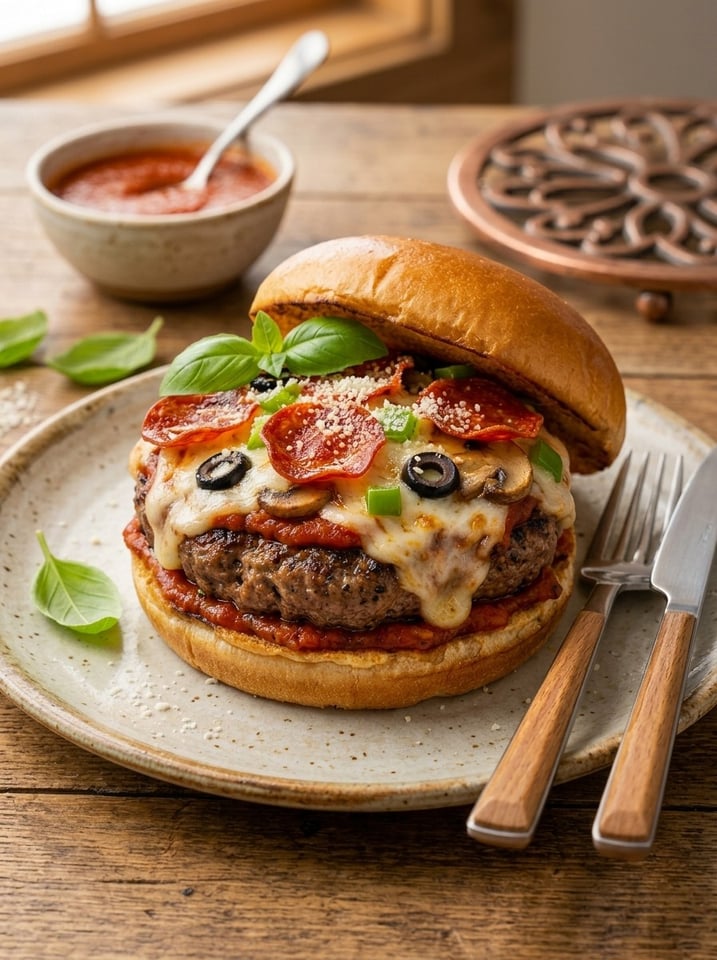
Philly Cheesesteak Pasta: The Ultimate Comfort Food Mashup You Need Tonight
If you love the iconic flavors of a Philly cheesesteak sandwich — juicy beef, caramelized onions, sweet peppers, and melty cheese — but you’re craving something heartier and more shareable, this Philly Cheesesteak Pasta is about to become your new go-to dinner. It takes everything you love about the classic Philadelphia sandwich and transforms it into a creamy, cheesy pasta skillet that’s perfect for busy weeknights, potlucks, or lazy Sunday dinners.
This dish combines tender strips of sirloin steak, sautéed bell peppers, onions, and mushrooms, all tossed in a rich provolone-Parmesan cheese sauce with perfectly cooked pasta. It’s indulgent, satisfying, and comes together in just 40 minutes using simple, everyday ingredients. Whether you’re feeding a hungry family or meal-prepping for the week, this recipe checks every box: easy, delicious, and endlessly craveable.
In this article, we’ll walk through everything you need to know to make the best Philly Cheesesteak Pasta at home — from ingredient tips and step-by-step instructions to variations, storage advice, and answers to the most common questions people ask about this recipe.
Why You’ll Love This Philly Cheesesteak Pasta Recipe
There’s a reason cheesesteak-inspired pasta dishes have exploded in popularity on social media and in home kitchens across the country. Here’s why this particular recipe stands out:
It’s a one-skillet comfort food dream. Between the seared steak, sautéed vegetables, and homemade cheese sauce, every bite delivers that familiar cheesesteak flavor profile — but in hearty pasta form that’s easier to serve a crowd.
It’s ready in under an hour. With just 15 minutes of prep and 25 minutes of cooking, this recipe is realistic for a weeknight dinner, even on your busiest days.
It’s endlessly customizable. Swap the pasta shape, adjust the spice level, or add extra vegetables — this recipe is flexible enough to fit your family’s preferences.
It reheats beautifully. Unlike some cream-based pasta dishes, this one holds up well for leftovers, making it a fantastic option for meal prep.
It satisfies cheesesteak cravings without the sandwich mess. No soggy bread, no awkward bites — just creamy, cheesy pasta loaded with all the classic Philly flavors in every forkful.
What Is Philly Cheesesteak Pasta?
Philly Cheesesteak Pasta is a creative twist on the traditional Philadelphia cheesesteak sandwich, which typically consists of thinly sliced beef, melted cheese, and sautéed onions served on a long roll. Instead of bread, this recipe uses pasta as the base, and instead of a simple cheese topping, it features a luxurious homemade cheese sauce made with provolone and Parmesan — the same cheeses often used in an authentic Philly cheesesteak.
The result is a dish that’s part pasta bake, part cheesesteak, and 100% comfort food. It’s become a favorite among home cooks looking for creative ways to enjoy classic flavors in new formats, alongside other popular mashups like Philly cheesesteak stuffed peppers, Philly cheesesteak egg rolls, and Philly cheesesteak sloppy joes.
Ingredients You’ll Need
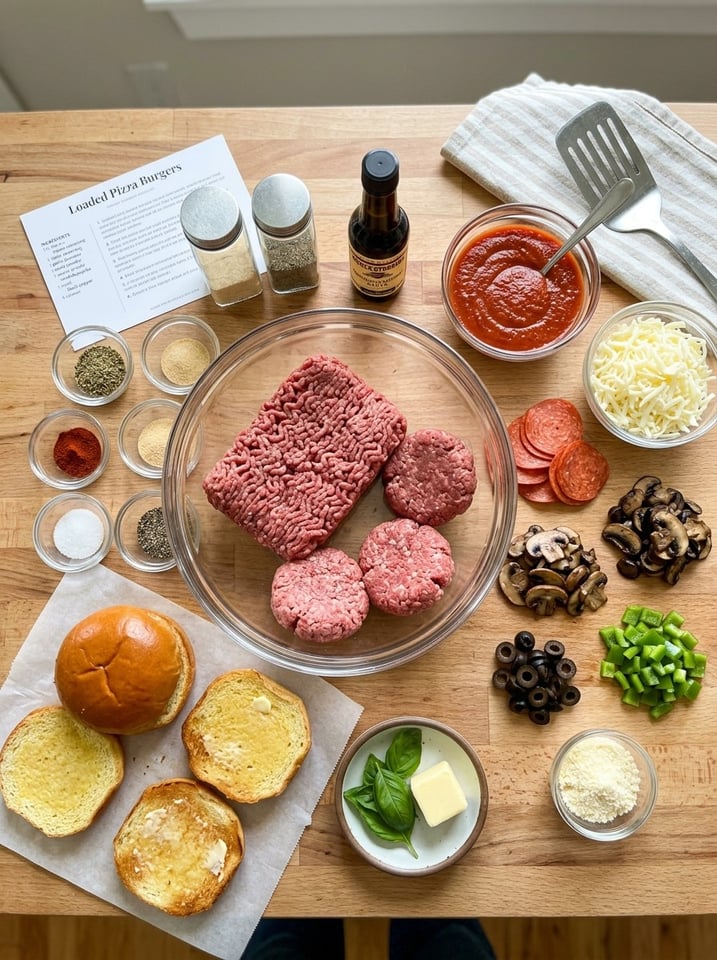
One of the best things about this recipe is that it relies on accessible, grocery-store-friendly ingredients. Here’s a closer look at what goes into it and why each component matters.
For the Pasta and Steak
- Pasta: Penne, rotini, or rigatoni all work beautifully here because their ridges and tubes help capture the creamy cheese sauce in every bite. Avoid delicate pasta shapes like angel hair, which can get lost in the sauce.
- Sirloin steak or shaved beef: Thinly sliced sirloin is ideal for achieving that classic cheesesteak texture. If you want to save time, many grocery stores sell pre-shaved beef specifically labeled for cheesesteaks.
- Olive oil and butter: Used for searing the steak and sautéing the vegetables, adding richness and helping everything brown properly.
- Bell peppers (green and red): These add sweetness, color, and that signature cheesesteak flavor. Feel free to use just one color if that’s what you have on hand.
- Onion: Thinly sliced onion caramelizes slightly as it cooks, adding a subtle sweetness that balances the richness of the cheese sauce.
- Mushrooms: While not always included in a traditional cheesesteak, mushrooms are a popular addition that adds earthiness and extra texture.
- Garlic: Freshly minced garlic boosts the overall flavor of the dish.
- Worcestershire sauce: This adds a deep, savory umami note that enhances the beef flavor.
- Italian seasoning, smoked paprika, salt, and pepper: These seasonings season the steak and tie the whole dish together with warmth and depth.
For the Creamy Cheese Sauce
- Butter and flour: Together, these form a roux, which is the base for thickening the cheese sauce.
- Whole milk and heavy cream: This combination creates a sauce that’s rich and velvety without being overly heavy.
- Provolone cheese: The signature cheese of a classic Philly cheesesteak, provolone melts smoothly and has a mild, slightly tangy flavor.
- Parmesan cheese: Adds a salty, nutty depth that rounds out the sauce.
- Garlic powder and onion powder: These reinforce the savory flavor of the sauce without adding extra texture.
For Garnish
- Fresh parsley: Adds a pop of color and freshness.
- Extra Parmesan cheese: For serving, because more cheese is always a good idea.
- Cracked black pepper: A finishing touch that adds a subtle bite.
Step-by-Step Instructions
Step 1: Cook the Pasta
Start by bringing a large pot of salted water to a rolling boil. Add the pasta and cook until al dente, following the package directions. Once done, drain the pasta and set it aside. Cooking the pasta first allows it to rest slightly while you prepare the other components, and salting the water generously ensures the pasta itself is well-seasoned.
Step 2: Cook the Steak
While the pasta cooks, heat olive oil in a large skillet over medium-high heat. Season the thinly sliced steak with salt, pepper, smoked paprika, and Italian seasoning. Sear the steak for just 2–3 minutes, until browned on the outside but still tender — overcooking at this stage can make the beef tough. Once browned, transfer the steak to a plate and set it aside; it will be added back into the skillet later.
Step 3: Sauté the Vegetables
In the same skillet, without wiping it clean (those browned bits add flavor), melt a tablespoon of butter. Add the sliced onions, bell peppers, and mushrooms, and cook for 6–8 minutes, stirring occasionally, until the vegetables are tender and slightly caramelized. Add the minced garlic and Worcestershire sauce, cooking for just 30 seconds until fragrant — garlic burns quickly, so keep a close eye on it at this stage.
Step 4: Make the Cheese Sauce
In a separate saucepan, melt the butter over medium heat. Whisk in the flour and cook for about a minute to eliminate the raw flour taste — this forms your roux. Gradually whisk in the milk and heavy cream, making sure to incorporate the liquid slowly to avoid lumps. Continue cooking for 3–4 minutes, stirring frequently, until the sauce has thickened slightly and coats the back of a spoon. Reduce the heat to low, then stir in the shredded provolone and grated Parmesan, along with the garlic powder and onion powder. Stir until the cheese is fully melted and the sauce is smooth and creamy. Season with salt and pepper to taste.
Step 5: Combine Everything
Return the cooked steak to the skillet with the sautéed vegetables. Add the drained pasta directly into the skillet. Pour the warm cheese sauce over the top and gently toss everything together until the pasta, steak, and vegetables are evenly coated in that rich, cheesy sauce. Let everything cook together for another 2–3 minutes over low heat, allowing the flavors to fully meld.
Step 6: Serve
Garnish your Philly Cheesesteak Pasta with freshly chopped parsley, an extra sprinkle of Parmesan cheese, and a few cracks of black pepper. Serve immediately while it’s hot, creamy, and irresistibly cheesy.
Recipe at a Glance
- Prep Time: 15 minutes
- Cook Time: 25 minutes
- Total Time: 40 minutes
- Servings: 6
Expert Tips for the Best Philly Cheesesteak Pasta
Slice the steak thinly and against the grain. This is the key to tender, sandwich-shop-style beef. If your steak is partially frozen, it will be much easier to slice thinly.
Don’t overcrowd the skillet when searing the beef. If your skillet is too full, the steak will steam instead of sear, resulting in a grayish color instead of a flavorful golden-brown crust. Cook in batches if necessary.
Shred your own cheese. Pre-shredded cheese often contains anti-caking agents that can prevent it from melting smoothly into the sauce. For the creamiest results, shred a block of provolone yourself.
Whisk constantly when making the roux and sauce. This prevents lumps and ensures a silky-smooth cheese sauce every time.
Save some pasta water. If your sauce feels too thick after combining everything, a splash of reserved pasta water can loosen it up without diluting the flavor.
Taste and adjust seasoning at the end. Cheese varies in saltiness, so always taste your dish before serving and adjust the salt and pepper as needed.
Variations to Try
One of the biggest advantages of this recipe is how easily it adapts to different tastes and dietary needs. Here are a few popular variations:
Chicken Cheesesteak Pasta: Swap the sirloin steak for thinly sliced chicken breast or chicken tenders for a lighter take on the classic.
Spicy Philly Cheesesteak Pasta: Add sliced jalapeños or a pinch of red pepper flakes to the vegetable sauté for a kick of heat.
Cheesesteak Pasta Bake: Transfer the finished pasta to a baking dish, top with extra shredded provolone, and broil for 3–5 minutes until bubbly and golden for a baked casserole-style version.
Low-Carb Option: Substitute the pasta with cooked spaghetti squash or your favorite low-carb pasta alternative.
Extra Veggie-Packed Version: Add spinach, zucchini, or cherry tomatoes to boost the nutritional value and add even more color to the dish.
Different Cheese Blend: While provolone is traditional for a Philly cheesesteak, you can experiment with mozzarella, white American cheese, or a sharp cheddar for a different flavor profile.
What to Serve with Philly Cheesesteak Pasta
Because this dish is rich and hearty on its own, it pairs beautifully with lighter side dishes that balance out the meal. Consider serving it alongside:
- A crisp green salad with a tangy vinaigrette to cut through the richness of the cheese sauce
- Garlic bread or a crusty baguette for scooping up any extra sauce
- Roasted or steamed vegetables like broccoli, asparagus, or green beans
- A light tomato and cucumber salad for freshness
How to Store and Reheat Leftovers
Refrigerator: Store leftover Philly Cheesesteak Pasta in an airtight container in the refrigerator for up to 3–4 days.
Freezer: While cream-based pasta dishes can sometimes separate when frozen, this dish generally freezes reasonably well for up to 2 months. Thaw overnight in the refrigerator before reheating.
Reheating: Reheat gently on the stovetop over low heat, adding a splash of milk or cream to help restore the sauce’s creamy texture. You can also reheat individual portions in the microwave in 30-second intervals, stirring in between, to prevent the sauce from separating.
Frequently Asked Questions
Can I use a different type of pasta? Yes. While penne, rotini, and rigatoni are recommended for their ability to hold onto the sauce, you can use any short pasta shape you have on hand, such as fusilli or shells.
What’s the best cut of beef for this recipe? Thinly sliced sirloin steak is ideal because it’s tender and cooks quickly. Ribeye is another excellent option if you want an even more traditional cheesesteak flavor, though it will be slightly more expensive.
Can I make this recipe ahead of time? Yes, you can prepare the components separately — cook the pasta, sear the steak, sauté the vegetables, and make the cheese sauce — and store them in the refrigerator. When ready to serve, combine everything in a skillet and reheat until warmed through.
Is this recipe kid-friendly? Absolutely. The creamy cheese sauce and mild seasoning make this dish appealing to kids, and you can easily reduce or omit ingredients like mushrooms if your family isn’t a fan.
Can I make this recipe vegetarian? Yes. Simply omit the steak and add extra vegetables, or substitute with plant-based steak strips for a vegetarian version that still captures the cheesesteak flavor profile.
Why is my cheese sauce grainy? A grainy sauce usually happens when the cheese is added over heat that’s too high, or when pre-shredded cheese with anti-caking agents is used. Always melt the cheese over low heat and consider shredding your own for the smoothest results.
Can I use pre-shaved steak instead of slicing my own? Yes, many grocery stores sell shaved beef specifically for cheesesteaks, which is a convenient time-saving substitute for slicing sirloin yourself.
Final Thoughts
This Philly Cheesesteak Pasta recipe is the perfect example of how classic comfort foods can be reimagined into new, equally satisfying dishes. With tender beef, sweet peppers, savory onions, earthy mushrooms, and a luxuriously creamy provolone-Parmesan sauce, every bite delivers the bold, familiar flavors of a Philly cheesesteak in a format that’s easy to make, easy to share, and easy to fall in love with.
Whether you’re making it for a weeknight family dinner, a potluck dish that’s guaranteed to disappear fast, or a comforting meal to enjoy on a chilly evening, this recipe is sure to become a regular in your dinner rotation. Give it a try, and don’t be surprised if it becomes just as beloved in your household as the sandwich that inspired it.