
High-Protein Cottage Cheese Garlic Bread
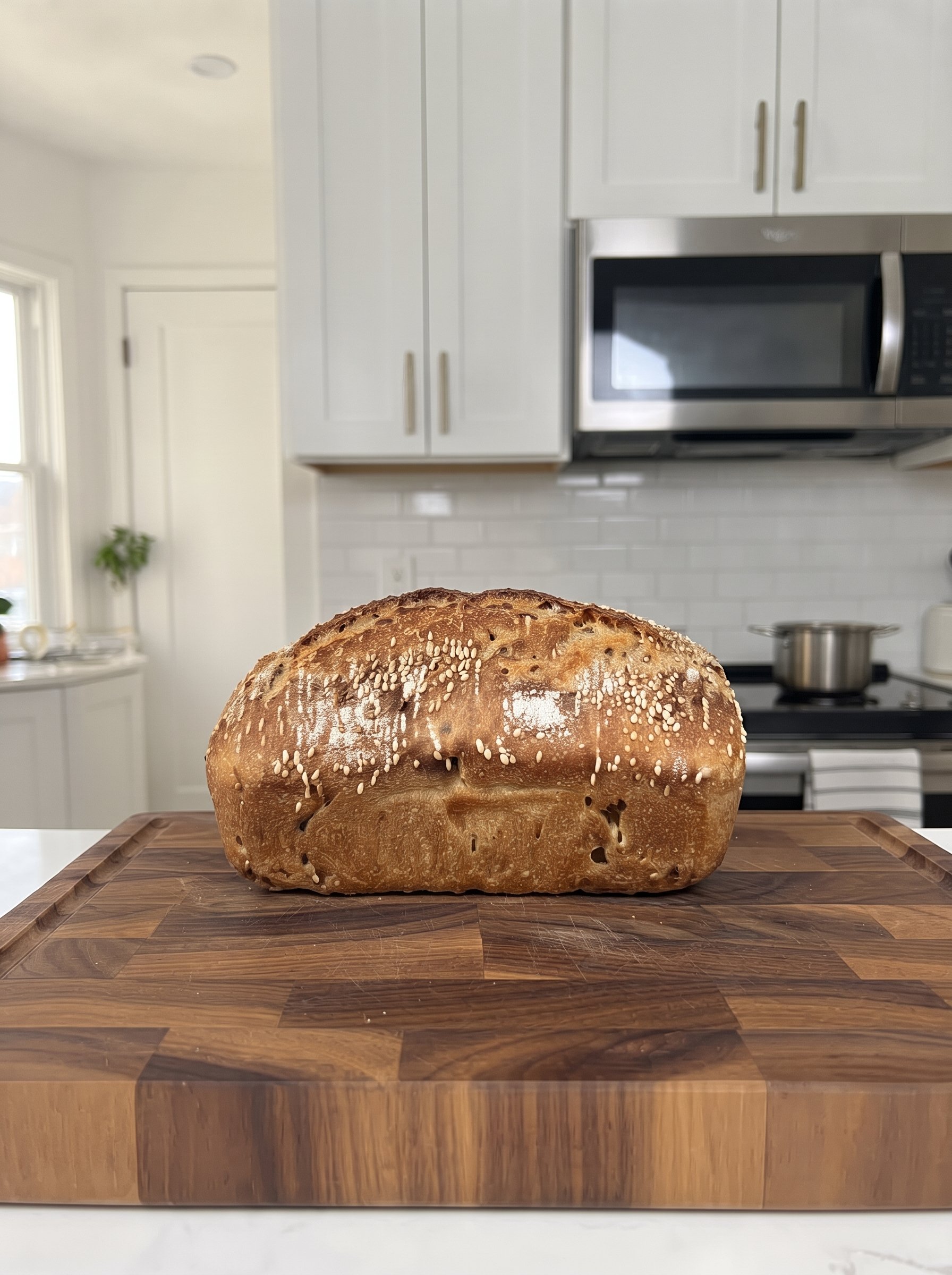
High-Protein Cottage Cheese Garlic Bread: The Cheesy, Savory Bread You Need to Try 🧄🧀
Cottage cheese has quietly become one of the most versatile ingredients in modern home cooking, and this High-Protein Cottage Cheese Garlic Bread is a perfect example of why. Blended until smooth and combined with eggs, cottage cheese creates a soft, tender bread base that’s naturally higher in protein than traditional garlic bread, without sacrificing any of the comforting, cheesy, garlicky flavor that makes garlic bread so universally loved. Topped with a generous layer of garlic butter, melted mozzarella, and Parmesan, this bread bakes up golden, bubbly, and absolutely irresistible.
This recipe taps into a popular trend of using cottage cheese as a protein-boosting ingredient in baked goods, and for good reason — when blended, cottage cheese transforms from its familiar lumpy texture into a smooth, creamy base that works beautifully in quick breads, much like how yogurt or sour cream might be used in traditional baking. The result here is a bread that has a texture somewhere between a savory quick bread and a cheesy flatbread, with a tender, slightly dense crumb that holds up beautifully under that irresistible garlic cheese topping.
What makes this recipe particularly appealing is how quickly it comes together. There’s no yeast, no rising time, and no kneading involved — simply blend, mix, bake, and top. In under 45 minutes from start to finish, you can have a warm, cheesy, protein-packed bread ready to serve alongside pasta, soup, salad, or simply enjoyed on its own as a satisfying snack. Let’s dive into exactly why this recipe works so well and how to make it perfectly.
Why This High-Protein Cottage Cheese Garlic Bread Works So Well
The secret to this recipe’s success lies in how cottage cheese functions once blended smooth. Cottage cheese is naturally high in protein and has a fairly high moisture content, both of which make it an excellent base for a tender, moist quick bread. When blended in a food processor or blender, the curds break down completely, transforming the cottage cheese into a smooth, creamy consistency similar to ricotta cheese or a thick yogurt, without any trace of its original lumpy texture remaining.
Combined with eggs, this blended cottage cheese creates a rich, protein-packed wet base for the bread batter. The eggs provide structure and help bind the ingredients together, while also contributing to the bread’s tender crumb. Unlike traditional yeasted garlic bread, which relies on a yeasted dough base, this recipe uses baking powder as its leavening agent, which means the bread doesn’t require any rising time — the baking powder reacts with the batter’s moisture and the oven’s heat to create lift as soon as the bread goes into the oven.
The dry ingredients — flour, Parmesan cheese, baking powder, and a well-balanced blend of garlic powder, Italian seasoning, salt, and black pepper — are folded into the blended cottage cheese and egg mixture just until combined. This approach, similar to how most quick breads and muffins are mixed, helps prevent overmixing, which could result in a dense, tough final texture rather than the soft, tender crumb this recipe is known for.
Once baked partway through, the bread is removed from the oven and brushed generously with garlic butter before being topped with shredded mozzarella and additional Parmesan. Returning the bread to the oven for a final few minutes allows this cheese topping to melt, bubble, and turn beautifully golden, creating that classic garlic bread appeal — a cheesy, garlicky crust over a soft, flavorful bread base.
Ingredients You’ll Need
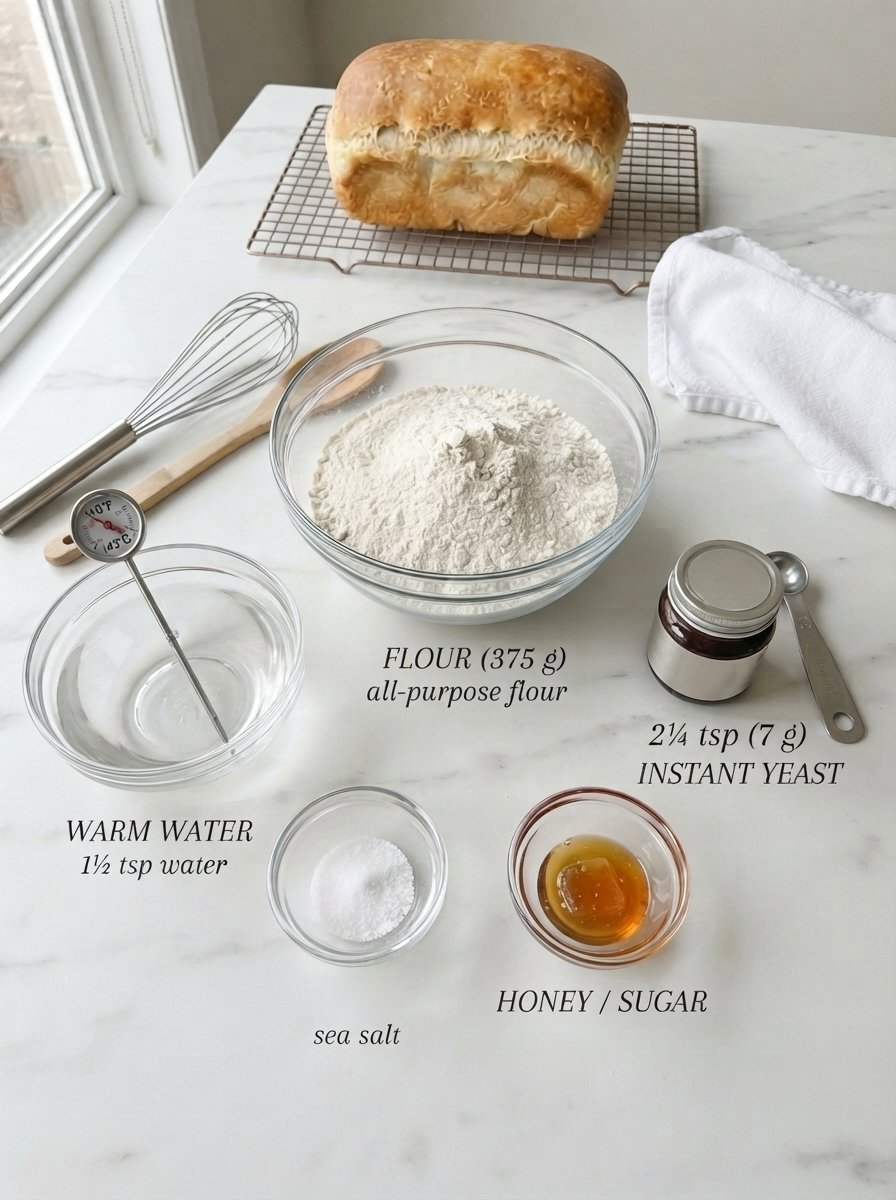
This recipe is divided into the bread base and the garlic cheese topping, both of which come together quickly with simple, accessible ingredients.
For the bread:
- 1½ cups cottage cheese
- 2 large eggs
- 1 cup all-purpose flour
- ½ cup grated Parmesan cheese
- 1 teaspoon baking powder
- 1 teaspoon garlic powder
- ½ teaspoon Italian seasoning
- ¼ teaspoon salt
- ¼ teaspoon black pepper
For the garlic cheese topping:
- 2 tablespoons melted butter
- 2 cloves garlic, minced
- ¾ cup shredded mozzarella
- 1 tablespoon grated Parmesan
- 1 tablespoon chopped fresh parsley
Ingredient Notes and Substitutions
Cottage cheese: Full-fat or low-fat cottage cheese both work well in this recipe, though full-fat will yield a slightly richer, more tender result. Make sure to blend the cottage cheese thoroughly until completely smooth, as any remaining curds can affect the final texture of the baked bread. Small curd cottage cheese tends to blend more easily and smoothly than large curd varieties.
Eggs: Large eggs provide the right amount of structure and moisture for this recipe. Room temperature eggs tend to blend more smoothly with the cottage cheese than cold eggs straight from the refrigerator.
All-purpose flour: This provides the structural base for the bread. There’s no need for bread flour here, as this recipe isn’t relying on strong gluten development the way a traditional yeasted bread would.
Parmesan cheese: Freshly grated Parmesan offers the best flavor and melts more smoothly than pre-grated, packaged varieties. Parmesan is used both within the batter itself and as part of the topping, contributing a nutty, salty depth throughout the bread.
Baking powder: This is the leavening agent responsible for helping the bread rise during baking, since there’s no yeast involved in this recipe. Make sure your baking powder is fresh and hasn’t expired, as old baking powder can lose its leavening power over time.
Garlic powder and minced garlic: This recipe uses both garlic powder within the bread batter itself and fresh minced garlic in the butter topping, creating layers of garlic flavor throughout the finished bread. If you prefer an even more pronounced garlic flavor, feel free to increase the amount of minced garlic in the topping.
Mozzarella cheese: Shredded mozzarella provides that classic melty, stretchy cheese topping synonymous with garlic bread. Freshly shredded mozzarella from a block will melt more smoothly than pre-shredded, bagged varieties.
Step-by-Step Instructions
Step 1: Prepare the Oven and Pan
Begin by preheating your oven to 375°F (190°C). Line a small baking dish or loaf pan with parchment paper, allowing some overhang on the sides if possible to make removing the bread easier once baked. Lightly grease the parchment paper or the exposed sides of the pan to further prevent sticking.
Step 2: Make the Batter
Add the cottage cheese and eggs to a blender or food processor. Blend on high speed until the mixture is completely smooth and creamy, with no visible lumps or curds remaining — this step is essential for achieving the right texture in the finished bread, so take the time to blend thoroughly, scraping down the sides of the blender or food processor if needed.
Pour the blended cottage cheese and egg mixture into a large mixing bowl. Add the flour, grated Parmesan, baking powder, garlic powder, Italian seasoning, salt, and black pepper. Using a spatula or wooden spoon, stir everything together just until combined — be careful not to overmix, as this can result in a denser, tougher bread rather than the soft, tender texture you’re aiming for.
Step 3: Bake the Bread Base
Spread the batter evenly into your prepared baking dish or loaf pan, using a spatula to smooth the top. Place the pan in your preheated oven and bake for 18 to 20 minutes, or until the center of the bread is set (meaning it no longer looks wet or jiggly) and the top is lightly golden.
Step 4: Make the Garlic Butter
While the bread bakes, prepare the garlic butter topping. In a small bowl, combine the melted butter with the minced garlic, stirring until well mixed. Preparing this ahead of time means it’s ready to go the moment the bread comes out of the oven for its first bake.
Step 5: Add the Cheesy Topping
Once the bread has finished its initial bake, remove it from the oven. While it’s still hot, brush the top generously with the prepared garlic butter, making sure to cover the entire surface evenly. Sprinkle the shredded mozzarella and additional Parmesan evenly over the top of the buttered bread.
Step 6: Finish Baking
Return the bread to the oven for another 5 to 7 minutes, or until the cheese on top is fully melted, bubbly, and beginning to turn golden. If you’d like even more browning and a slightly crispy, caramelized cheese topping, you can broil the bread for an additional 1 to 2 minutes at the end — just be sure to watch it closely during this step, as broiling can cause cheese to burn quickly if left unattended.
Step 7: Garnish and Serve
Once out of the oven, sprinkle the finished bread with freshly chopped parsley for a pop of color and a touch of fresh, herbal flavor. Let the bread cool for a few minutes before slicing, as this brief resting period helps it firm up slightly and makes for cleaner slices. Serve warm.
What to Serve with High-Protein Cottage Cheese Garlic Bread
This flavorful, cheesy bread pairs beautifully with a wide variety of main dishes, particularly Italian-inspired meals and comforting soups.
- Pasta dishes: A natural pairing — serve alongside spaghetti, lasagna, or any favorite pasta dish for a complete, satisfying meal.
- Tomato or vegetable soup: The cheesy, garlicky bread is perfect for dipping into a warm, comforting bowl of soup.
- Salads: Serve alongside a simple green salad or Caesar salad for a lighter meal that still feels satisfying.
- Grilled or roasted chicken: A versatile side that complements a wide range of protein-based main dishes.
- As an appetizer: Slice into smaller pieces and serve as a shareable appetizer or snack for gatherings.
Tips for the Best High-Protein Cottage Cheese Garlic Bread
Blend the cottage cheese thoroughly. This is the most important step for achieving the right texture in the finished bread. Any remaining lumps or curds can result in an uneven, less smooth final texture, so take the time to blend until completely smooth.
Don’t overmix the batter. Once the dry ingredients are added to the blended cottage cheese mixture, stir just until combined. Overmixing can lead to a denser, tougher bread rather than the soft, tender crumb this recipe is known for.
Use fresh baking powder. Since this recipe relies on baking powder rather than yeast for its rise, using fresh, active baking powder is essential for achieving the right texture and lift.
Watch closely if broiling. The optional broiling step at the end can add beautiful extra browning to the cheese topping, but broilers work quickly and cheese can burn in just a matter of seconds, so stay close to the oven and watch carefully during this step.
Let the bread cool slightly before slicing. While it’s tempting to dig in immediately, letting the bread rest for a few minutes after baking helps it set slightly, making it easier to slice cleanly.
Use freshly shredded cheese. Both the Parmesan and mozzarella will melt more smoothly and evenly if freshly shredded from a block, rather than using pre-shredded, bagged cheese.
Recipe Variations to Try
This recipe offers plenty of room for creativity and customization based on your preferences.
Herb-Loaded Version: Add additional dried or fresh herbs, such as rosemary or thyme, to the batter for a more complex, herbaceous flavor throughout the bread.
Spicy Version: Add a pinch of red pepper flakes to the batter or the garlic butter topping for a bread with a subtle kick of heat.
Everything Bagel Version: Sprinkle everything bagel seasoning over the cheese topping before the final bake for a fun, flavorful twist.
Extra Cheesy Version: Add a layer of shredded cheese directly into the batter itself, in addition to the topping, for an even cheesier bread throughout.
Sun-Dried Tomato Addition: Fold in chopped sun-dried tomatoes into the batter for bursts of tangy, concentrated tomato flavor throughout the bread.
Different Cheese Topping: Experiment with provolone, fontina, or a Mexican cheese blend in place of mozzarella for a different flavor profile on top.
How to Store and Reheat Leftovers
This bread is best enjoyed fresh and warm, but it also stores reasonably well for a day or two if needed.
Refrigerating: Store any leftover bread in an airtight container in the refrigerator for up to 2–3 days. Because this bread has a moist, tender crumb due to the cottage cheese base, it’s best stored in the refrigerator rather than at room temperature to prevent spoilage.
Freezing: This bread can be frozen, either as a whole loaf or in individual slices. Wrap tightly in plastic wrap and foil, or place in a freezer-safe bag, and freeze for up to 2 months. Thaw in the refrigerator before reheating.
Reheating: Reheat individual slices in a toaster oven or regular oven at 350°F (175°C) for several minutes until warmed through, which will help maintain the texture and re-crisp the cheese topping slightly. Microwaving works in a pinch but may result in a slightly softer texture.
Frequently Asked Questions
Can I use a hand mixer instead of a blender for the cottage cheese?
A blender or food processor is strongly recommended for this recipe, as it’s the most effective way to achieve a completely smooth texture from the cottage cheese. A hand mixer is unlikely to break down the curds as thoroughly, which could affect the final texture of the bread.
Why is my bread dense instead of light and fluffy?
This is usually the result of overmixing the batter once the dry ingredients are added, or using expired baking powder that’s lost its leavening power. Mix just until combined, and double-check that your baking powder is fresh.
Can I make this bread ahead of time?
Yes, you can bake the bread fully, including the cheese topping, and store it in the refrigerator for up to a day or two. Reheat in the oven before serving to re-crisp the cheese topping and warm the bread through.
Is this bread gluten-free?
As written, this recipe uses all-purpose flour and is not gluten-free. However, a gluten-free all-purpose flour blend could potentially be substituted, though the texture results may vary.
Can I use a different pan size?
Yes, though baking times may need to be adjusted slightly depending on the size and shape of the pan used. A wider, shallower pan will likely bake slightly faster, while a smaller, deeper pan may require a few extra minutes.
Final Thoughts
High-Protein Cottage Cheese Garlic Bread offers a delicious, protein-packed twist on classic garlic bread, proving that boosting the nutritional profile of a comfort food favorite doesn’t mean sacrificing flavor or texture. With its soft, tender crumb, rich garlic flavor, and irresistibly cheesy, golden topping, this bread is just as satisfying as traditional garlic bread, while offering the added benefit of extra protein from the cottage cheese and eggs.
Quick to prepare and even quicker to disappear once it hits the table, this recipe is a wonderful addition to pasta nights, soup dinners, or anytime you’re craving warm, cheesy, garlicky bread. Once you try this cottage cheese-based version, it may just become your new go-to garlic bread recipe.