
Low Carb Pickled Celery Snack
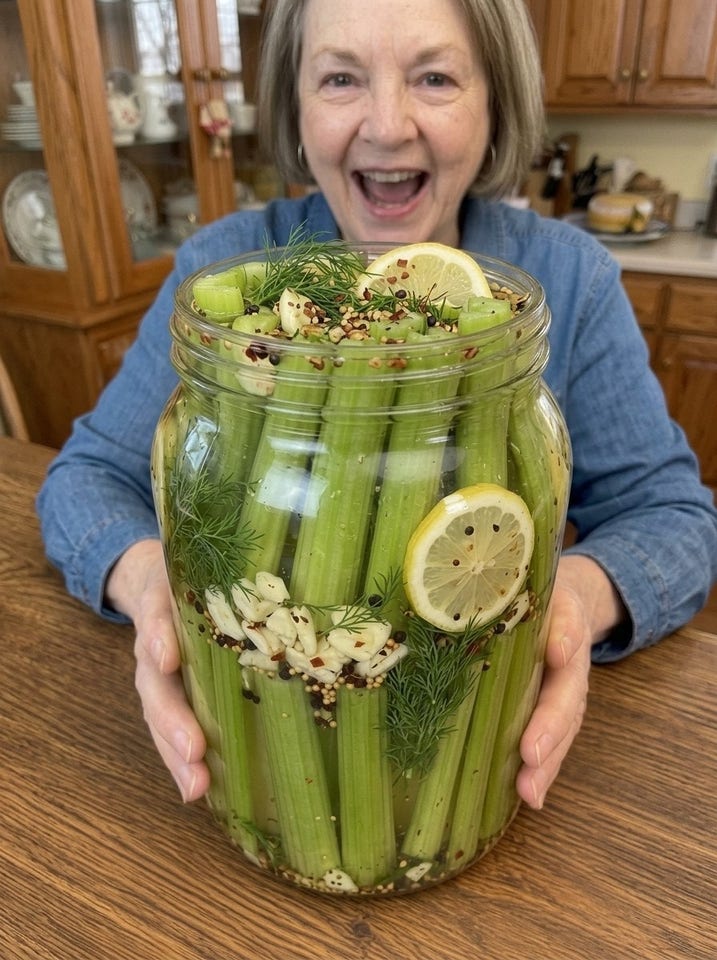
Low Carb Pickled Celery Snack: The Crunchy, Tangy Refrigerator Pickle You Will Want in Every Meal
Low Carb Pickled Celery Recipe – Easy Crunchy Refrigerator Pickles
Meta description: Make low carb pickled celery in minutes with garlic, dill, mustard seeds, and vinegar. A crisp, tangy, healthy snack for meal prep, salads, and charcuterie boards.
Focus keyword: low carb pickled celery
Secondary keywords: pickled celery recipe, refrigerator pickles, quick pickled celery, low carb snack, keto pickles, healthy snack ideas, celery pickle brine, easy meal prep snack
Crisp, refreshing, tangy, and bursting with garden-fresh flavor, this low carb pickled celery snack tastes like a bright summer garden pickle. It transforms an ordinary bunch of celery into a crunchy, savory, satisfying treat infused with garlic, vinegar, aromatic herbs, and a touch of spice. It is easy to prepare, full of flavor, and ideal for healthy snacking, meal prep, charcuterie boards, sandwiches, salads, and serving alongside grilled meats.
If you have ever stared into the refrigerator searching for something crunchy and flavorful that will not derail your low carb goals, this recipe is your answer. In this complete guide, you will learn exactly how to make quick pickled celery at home, why it works so well as a snack, how to customize the brine, how to store it safely, and dozens of creative ways to enjoy it every day of the week.
What Is Pickled Celery?
Pickled celery is simply fresh celery stalks preserved in a tangy brine made from vinegar, water, salt, and seasonings. The brine penetrates the fibrous stalks, giving them a bright, sour, savory flavor while keeping their signature crunch. Unlike many vegetables that go limp in a pickling jar, celery holds up remarkably well because of its dense, watery structure.
This recipe is a refrigerator pickle, sometimes called a quick pickle. That means the celery is not processed in a boiling water canner and is not shelf-stable. Instead, it is packed into a clean jar, covered with hot brine, cooled, and stored in the refrigerator. The method is fast, forgiving, and perfect for beginners, because you do not need any special canning equipment or experience.
Why You Will Love This Low Carb Pickled Celery
There are plenty of reasons this recipe earns a permanent place in your kitchen:
- Naturally low in carbohydrates. Celery is one of the lowest-carb vegetables available, making it a smart choice for low carb and keto-style eating.
- Incredible crunch. The sticks stay firm and snappy, even after days in the brine.
- Big, bold flavor. Garlic, dill, mustard seeds, black peppercorns, and bay leaves create a classic deli-pickle taste.
- Hands-off and simple. After a few minutes of prep, the refrigerator does the work.
- Budget-friendly. A single bunch of celery and a handful of pantry spices make a big batch.
- Meal prep friendly. Grab a few sticks for lunch boxes, snack plates, or desk-side munching.
- Versatile. Add it to salads, sandwiches, cheese boards, bloody Marys, and more.
- No cooking skills required. If you can boil water and stir in salt, you can make this recipe.
Is Pickled Celery Really Low Carb?
Celery is mostly water and fiber, with only a small amount of digestible carbohydrates per serving. The brine in this recipe contains vinegar, water, salt, and spices, with no added sugar, so the finished pickles remain very low in carbs. That makes them an excellent alternative to sugary snacks, chips, and crackers.
Keep in mind that exact nutrition varies with the size of your stalks, how much brine you consume, and the specific products you use, so check your own labels if you are tracking macros closely. Many traditional pickle recipes add sugar to balance the acidity, but this one skips it entirely for a clean, tangy, sugar-free flavor.
Ingredients for Low Carb Pickled Celery
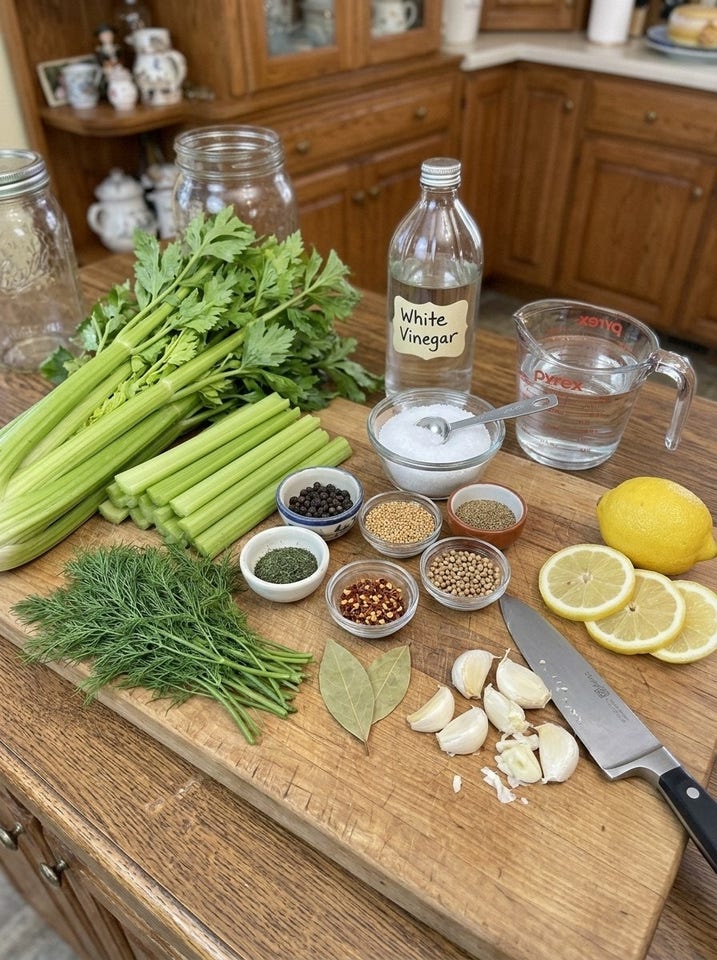
Here is everything you need for one large jar:
- 1 large bunch fresh celery, washed and cut into sticks
- 4 garlic cloves, peeled and lightly crushed
- 1 cup white vinegar
- 1 cup water
- 1 tablespoon pickling salt
- 1 teaspoon black peppercorns
- 1 teaspoon mustard seeds
- ½ teaspoon celery seeds
- ½ teaspoon dried dill
- ½ teaspoon red pepper flakes (optional)
- 2 fresh dill sprigs
- 2 bay leaves
- ½ teaspoon coriander seeds (optional)
Choosing the Best Celery
Start with fresh, firm, bright green celery. The stalks should snap cleanly when bent and feel heavy and crisp. Avoid celery that looks limp, rubbery, or has brown, dry ends, because it will not stay crunchy in the brine. Smaller, tender inner stalks work beautifully and tend to be less stringy, while larger outer stalks can be used too. If the outer stalks are very fibrous, peel off the tough strings with a vegetable peeler before cutting.
Why Pickling Salt?
Pickling salt is pure sodium chloride with no anti-caking agents or additives. These additives can make brine cloudy. If you cannot find pickling salt, fine sea salt or kosher salt can work, but measure carefully, because different salts have different densities. Weighing the salt is the most accurate method. Avoid iodized table salt if you can, as it may darken the vegetables or cloud the liquid.
About the Vinegar
White distilled vinegar with 5 percent acidity gives a sharp, clean, classic pickle flavor. For a slightly milder, fruitier taste, you can swap in apple cider vinegar or use half of each. Make sure any vinegar you choose is labeled at 5 percent acidity, because the acidity level matters for both flavor and food safety.
The Spices That Make It Taste Like a Pickle
- Garlic adds savory depth and aroma.
- Mustard seeds bring a gentle tang and pop of texture.
- Black peppercorns provide a warm, mild heat.
- Celery seeds reinforce the celery flavor and add a slightly bitter, herbal note.
- Dill, fresh and dried, delivers the unmistakable deli-pickle taste.
- Bay leaves contribute subtle, tea-like complexity.
- Coriander seeds add a citrusy, floral brightness.
- Red pepper flakes offer an optional spicy kick.
Equipment You Will Need
You do not need fancy tools for this recipe. Gather the following:
- A clean glass jar with a tight-fitting lid, about 1 quart (1 liter) in size
- A small saucepan
- A sharp knife and cutting board
- A vegetable peeler (optional)
- A measuring cup and spoons
- A ladle or small pitcher for pouring the hot brine
Make sure your jar is thoroughly washed in hot, soapy water and rinsed well before use. Clean equipment helps your pickles stay fresh and flavorful.
How to Make Low Carb Pickled Celery: Step-by-Step
Step 1: Prepare the Celery
Wash the celery thoroughly under cold running water, rubbing away any dirt trapped near the base of the stalks. Trim the ends and cut the stalks into bite-sized sticks. Measure your jar and cut the celery so the sticks stand upright with about half an inch of space below the rim. Pat dry if you like, although this is not strictly necessary.
Step 2: Prepare the Garlic
Peel the garlic cloves and lightly crush them with the flat side of a knife. Crushing releases their natural oils and aroma without turning them into a paste, so they flavor the brine without overpowering it.
Step 3: Pack the Jar
Arrange the celery sticks upright in the clean glass jar. Fit them snugly so they do not float or shift too much when the brine is added. Tuck in the garlic, fresh dill sprigs, bay leaves, peppercorns, mustard seeds, celery seeds, dried dill, coriander seeds, and red pepper flakes if using. Distributing the spices throughout the jar helps flavor every stick evenly.
Step 4: Make the Brine
In a small saucepan, combine the white vinegar, water, and pickling salt. The classic one-to-one ratio of vinegar to water creates a balanced, tangy brine that is not harshly sour.
Step 5: Heat the Mixture
Bring the brine to a gentle boil over medium heat, stirring until the salt dissolves completely. This takes just a couple of minutes. Remove from the heat as soon as it boils.
Step 6: Pour Over the Celery
Carefully pour the hot brine into the jar until the celery is completely submerged. Use a ladle or small pitcher and pour slowly to avoid splashing. Everything should sit beneath the surface of the liquid so it pickles evenly. If a few sticks float up, press them down with a clean spoon or fit a small piece of folded parchment or a pickle weight on top.
Step 7: Cool
Allow the jar to cool to room temperature before sealing with the lid. Cooling on the counter for about an hour is usually enough. Sealing too early traps steam and can soften the celery.
Step 8: Refrigerate
Place the sealed jar in the refrigerator for at least 24 hours so the flavor can develop. For a stronger pickle taste, wait 48 hours. The longer the celery sits in the brine, the more tangy and flavorful it becomes.
Step 9: Serve
Enjoy the crunchy celery sticks straight from the jar, or serve them alongside salads, sandwiches, grilled meats, cheese boards, and your favorite low carb snacks.
Storage and Food Safety
This is a refrigerator pickle recipe, not a shelf-stable canning recipe. That distinction is important.
- Keep it cold. Store the jar in the refrigerator at or below 40°F (4°C) at all times.
- Use within 2 weeks. For best quality and safety, enjoy the pickled celery within two weeks of making it.
- Do not store at room temperature. Because the recipe is not processed in a canner, it must stay refrigerated.
- Use clean utensils. Grab sticks with clean tongs or a fork rather than fingers to avoid introducing bacteria.
- Keep everything submerged. Vegetables that rise above the brine should be pushed back down.
- Discard if in doubt. If the pickles develop an off smell, slimy texture, mold, or unusual appearance, throw them away.
- Do not alter the vinegar ratio. Reducing the vinegar can make the brine less acidic and affect safety. Keep the one-to-one vinegar and water ratio as written.
If you want a shelf-stable version, you would need to follow a tested canning recipe from a trusted source, because canning requires specific procedures that go beyond this simple refrigerator method.
Tips for the Crunchiest Pickled Celery
A few small techniques ensure your pickles stay snappy and delicious.
Start with Very Fresh Celery
Freshness is the single biggest factor in crunch. If your celery is a little limp, trim the ends and stand the stalks in a glass of cold water or an ice bath for 30 minutes to revive it before pickling.
Do Not Overcook the Brine
You only need to dissolve the salt and bring the brine to a gentle boil. Boiling it for a long time evaporates liquid and changes the ratio.
Pack the Jar Tightly
Snug sticks stay submerged and support one another. A loosely packed jar lets celery float and pickle unevenly.
Cut Uniform Sticks
Sticks that are roughly the same thickness pickle at the same rate and look neat on a platter.
Be Patient
The celery is edible after a few hours, but the flavor is much better after a full day or two. Resist the urge to taste too early.
Shake or Tilt Gently
After the first day, gently tilt the jar to redistribute the spices. This helps flavor spread evenly.
Flavor Variations to Try
Once you have mastered the base recipe, experiment with these tasty twists.
Spicy Pickled Celery
Double the red pepper flakes, add a sliced jalapeño or a few whole dried chiles, and include extra black pepper for a fiery snack.
Lemon Dill Pickled Celery
Add a few strips of lemon peel and extra fresh dill for a bright, citrusy flavor that pairs beautifully with fish and salads.
Garlic Lover’s Pickled Celery
Increase the garlic to eight cloves, or slice it thinly for more surface area and a stronger flavor.
Italian-Style Pickled Celery
Swap the dill for dried oregano, basil, and a pinch of fennel seeds. Serve with olives and cured meats on an antipasto platter.
Smoky Pickled Celery
Add a pinch of smoked paprika to the jar for a subtle, campfire-style depth.
Asian-Inspired Pickled Celery
Use rice vinegar instead of white vinegar, and add sliced ginger, a few sesame seeds, and a touch of chili flakes. Keep the vinegar-to-water ratio and use a vinegar with 5 percent acidity.
Mixed Low Carb Pickle Jar
Add other low-carb vegetables to the same jar, such as cucumber spears, radishes, cauliflower florets, or green beans. Each vegetable adds its own texture and flavor.
Ways to Enjoy Pickled Celery
This versatile snack goes far beyond eating it straight from the jar. Here are some of the best ways to use it:
- As a grab-and-go snack. Keep a jar ready for instant crunchy satisfaction.
- On charcuterie and cheese boards. The tang cuts through rich cheeses, salami, and paté.
- In sandwiches and wraps. Add slices for crunch and acidity, especially with turkey, chicken salad, or tuna.
- Chopped into salads. Toss into egg salad, tuna salad, chicken salad, or potato-free slaws.
- Alongside grilled meats. Serve with burgers, steak, sausages, or barbecue chicken as a refreshing side.
- In Bloody Marys. A pickled celery stick makes a flavorful garnish.
- On lettuce wraps. Add a few sticks to low-carb wraps for extra bite.
- In lunch boxes. Pair with boiled eggs, nuts, and sliced cheese for a balanced low carb lunch.
- As a palate cleanser. Serve small pieces between richer courses.
- Finely diced as a relish. Mix into mayonnaise-based dressings or sprinkle over deviled eggs.
Perfect Pairings for a Low Carb Snack Board
Build a vibrant snack platter around your pickled celery with:
- Sliced cheddar, Gouda, or Swiss cheese
- Salami, prosciutto, or turkey roll-ups
- Hard-boiled eggs
- Olives and marinated artichokes
- Almonds, walnuts, or pecans
- Cucumber slices and cherry tomatoes
- Guacamole, hummus, or a creamy herb dip
The brightness of the pickled celery balances salty, fatty, and creamy flavors, making every bite more interesting.
Flavor and Texture Profile
Bright, tangy, garlicky, herbaceous, and wonderfully crunchy, this snack delivers everything you want from a homemade pickle. Fresh celery provides a refreshing, garden-fresh bite, while vinegar creates that classic pickle tang. Garlic, dill, mustard seeds, and coriander add layers of savory flavor, and the optional red pepper flakes give a gentle spicy finish. It is like enjoying a crisp homemade summer garden pickle in every bite, simple, refreshing, and completely satisfying.
The Benefits of Celery as a Snack
Celery is a popular choice for people who want a light, hydrating snack. It is composed of mostly water, contains dietary fiber, and provides small amounts of vitamins and minerals such as vitamin K and potassium. Its natural crunch makes it satisfying to chew, which many people find helpful when they want something to snack on without heavy calories.
Pickling adds flavor without adding sugar, which turns plain celery into something exciting. Instead of reaching for chips or crackers, you can reach for a crunchy, tangy stick that fits comfortably into low carb eating plans. Keep in mind that pickled foods are salty, so if you are watching your sodium intake or have a medical condition that requires you to limit salt, talk with a healthcare professional about whether this snack fits your needs.
Common Mistakes to Avoid
- Using limp or old celery. It will not become crunchy in the brine.
- Skipping the cooling step. Sealing a hot jar can create excess steam and soften the celery.
- Leaving celery above the brine. Exposed pieces can spoil or discolor.
- Changing the vinegar ratio. Too little vinegar weakens the brine and affects safety.
- Using a dirty jar. Always start with a spotless container.
- Treating it as shelf-stable. This recipe must stay in the refrigerator.
- Keeping it too long. Enjoy within two weeks for the best flavor and safety.
- Tasting too early. Wait at least 24 hours for the full flavor.
Frequently Asked Questions
How long does pickled celery take to make?
Prep takes about 15 minutes. After that, the celery needs at least 24 hours in the refrigerator for good flavor, and 48 hours for a stronger pickle taste.
How long does homemade pickled celery last?
When kept refrigerated at or below 40°F (4°C) and fully submerged in the brine, enjoy it within 2 weeks.
Can I can this recipe for long-term storage?
No. This is a refrigerator pickle recipe and has not been tested for canning. If you want shelf-stable pickles, follow a tested canning recipe from a trusted food safety source.
Do I have to heat the brine?
Heating helps the salt dissolve completely and helps the flavors infuse faster. Pouring the hot brine over the celery also slightly softens the surface so it absorbs flavor, while the inside stays crunchy.
Can I make this recipe without sugar?
Yes, the recipe is already sugar-free. If you prefer a slightly sweeter pickle, you can add a small amount of a low carb sweetener, but it is entirely optional.
Is pickled celery keto friendly?
It is very low in carbohydrates and contains no added sugar, so it is commonly enjoyed as part of keto and low carb eating. Always check your own ingredients and portions if you track carbs closely.
Can I reuse the brine?
It is best not to reuse the brine for another fresh batch of celery, since it will already be diluted by the vegetable’s moisture and flavor. You can, however, use leftover brine in salad dressings or marinades while it is still fresh.
Why is my brine cloudy?
Cloudiness can come from table salt with additives, spices, garlic reacting with the acid, or minerals in hard water. Garlic can also turn slightly blue or green in acid, which is harmless. If the brine smells off or the celery feels slimy, discard it.
What can I use instead of white vinegar?
Apple cider vinegar or rice vinegar with 5 percent acidity will also work. The flavor will differ slightly, but the safety and balance remain similar when you keep the same ratios.
Can I use the leaves?
Yes. Celery leaves are flavorful and can be tucked into the jar for extra herbal taste, or chopped and used as a garnish.
Do I need to peel the celery?
Not usually. If the outer stalks are tough or stringy, peeling them lightly makes the pickles more tender and pleasant to eat.
Can I double the recipe?
Absolutely. Use more jars and keep the same proportions of vinegar, water, and salt, scaling everything evenly.
Final Thoughts
Low carb pickled celery is proof that healthy snacking does not have to be boring. With just a bunch of fresh celery, a handful of pantry spices, and a simple vinegar brine, you can create a crunchy, tangy, deeply flavorful snack that fits easily into your week. It is quick to prepare, endlessly customizable, and wonderfully versatile, whether you are packing lunches, building a snack board, or looking for a refreshing side for your next barbecue.
Make a jar this weekend, let it rest in the refrigerator, and enjoy a crisp, homemade summer garden pickle any time the craving strikes. Remember to keep it cold, keep it submerged, and enjoy it within two weeks for the best flavor.
Did you try this recipe? Leave a comment and rating, share your favorite flavor variation, and save this recipe for your next meal prep day!
Print
Low Carb Pickled Celery Snack
Ingredients
Here is everything you need for one large jar:
- 1 large bunch fresh celery, washed and cut into sticks
- 4 garlic cloves, peeled and lightly crushed
- 1 cup white vinegar
- 1 cup water
- 1 tablespoon pickling salt
- 1 teaspoon black peppercorns
- 1 teaspoon mustard seeds
- ½ teaspoon celery seeds
- ½ teaspoon dried dill
- ½ teaspoon red pepper flakes (optional)
- 2 fresh dill sprigs
- 2 bay leaves
- ½ teaspoon coriander seeds (optional)
Choosing the Best Celery
Start with fresh, firm, bright green celery. The stalks should snap cleanly when bent and feel heavy and crisp. Avoid celery that looks limp, rubbery, or has brown, dry ends, because it will not stay crunchy in the brine. Smaller, tender inner stalks work beautifully and tend to be less stringy, while larger outer stalks can be used too. If the outer stalks are very fibrous, peel off the tough strings with a vegetable peeler before cutting.
Why Pickling Salt?
Pickling salt is pure sodium chloride with no anti-caking agents or additives. These additives can make brine cloudy. If you cannot find pickling salt, fine sea salt or kosher salt can work, but measure carefully, because different salts have different densities. Weighing the salt is the most accurate method. Avoid iodized table salt if you can, as it may darken the vegetables or cloud the liquid.
About the Vinegar
White distilled vinegar with 5 percent acidity gives a sharp, clean, classic pickle flavor. For a slightly milder, fruitier taste, you can swap in apple cider vinegar or use half of each. Make sure any vinegar you choose is labeled at 5 percent acidity, because the acidity level matters for both flavor and food safety.
The Spices That Make It Taste Like a Pickle
- Garlic adds savory depth and aroma.
- Mustard seeds bring a gentle tang and pop of texture.
- Black peppercorns provide a warm, mild heat.
- Celery seeds reinforce the celery flavor and add a slightly bitter, herbal note.
- Dill, fresh and dried, delivers the unmistakable deli-pickle taste.
- Bay leaves contribute subtle, tea-like complexity.
- Coriander seeds add a citrusy, floral brightness.
- Red pepper flakes offer an optional spicy kick.
Instructions
Wash the celery thoroughly under cold running water, rubbing away any dirt trapped near the base of the stalks. Trim the ends and cut the stalks into bite-sized sticks. Measure your jar and cut the celery so the sticks stand upright with about half an inch of space below the rim. Pat dry if you like, although this is not strictly necessary.
Peel the garlic cloves and lightly crush them with the flat side of a knife. Crushing releases their natural oils and aroma without turning them into a paste, so they flavor the brine without overpowering it.
Arrange the celery sticks upright in the clean glass jar. Fit them snugly so they do not float or shift too much when the brine is added. Tuck in the garlic, fresh dill sprigs, bay leaves, peppercorns, mustard seeds, celery seeds, dried dill, coriander seeds, and red pepper flakes if using. Distributing the spices throughout the jar helps flavor every stick evenly.
In a small saucepan, combine the white vinegar, water, and pickling salt. The classic one-to-one ratio of vinegar to water creates a balanced, tangy brine that is not harshly sour.
Bring the brine to a gentle boil over medium heat, stirring until the salt dissolves completely. This takes just a couple of minutes. Remove from the heat as soon as it boils.
Carefully pour the hot brine into the jar until the celery is completely submerged. Use a ladle or small pitcher and pour slowly to avoid splashing. Everything should sit beneath the surface of the liquid so it pickles evenly. If a few sticks float up, press them down with a clean spoon or fit a small piece of folded parchment or a pickle weight on top.
Allow the jar to cool to room temperature before sealing with the lid. Cooling on the counter for about an hour is usually enough. Sealing too early traps steam and can soften the celery.
Place the sealed jar in the refrigerator for at least 24 hours so the flavor can develop. For a stronger pickle taste, wait 48 hours. The longer the celery sits in the brine, the more tangy and flavorful it becomes.
Enjoy the crunchy celery sticks straight from the jar, or serve them alongside salads, sandwiches, grilled meats, cheese boards, and your favorite low carb snacks.